

Two things happened in Washington that never mention Elara and still matter to it.
The GENIUS Act gave stablecoin issuers a federal licensing path. Then on September 17, the SEC issued its Innovation Exemption. It lets a new kind of venue trade tokenized stocks through automated market makers and liquidity pools. It also exempts the firms supplying those pools with their own capital from being treated as dealers.
One makes room for more dollars onchain. The other makes room for more places to spend them. Elara earns its yield in the space between the two.
Every Stablecoin Has to Trade at $1
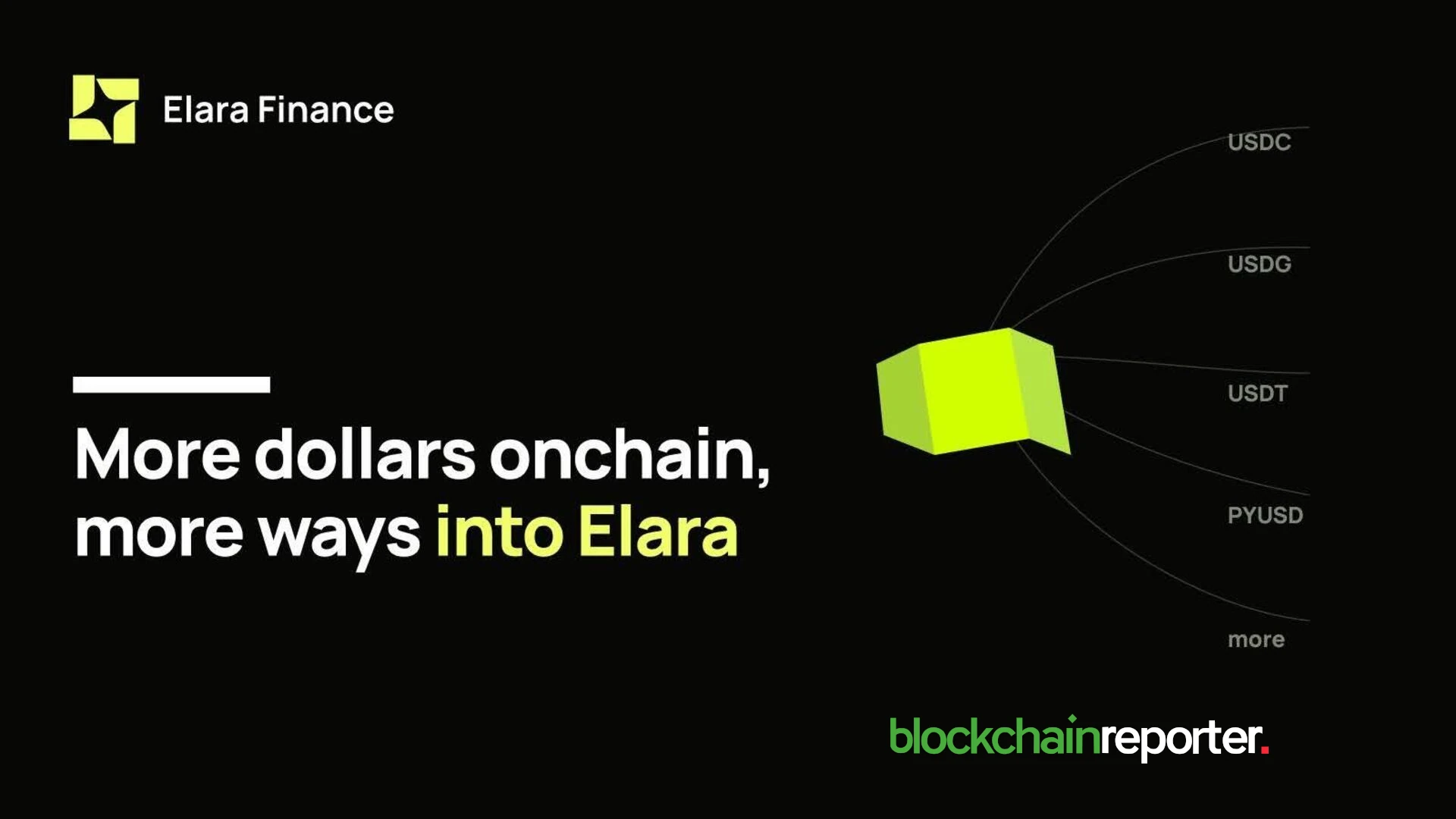
Every tokenized stock trades against a stablecoin, and each venue picks its own. Robinhood Chain quotes in USDG. Most of DeFi quotes in USDC. The next venue will pick something else, and the GENIUS Act means there will be more to pick from.
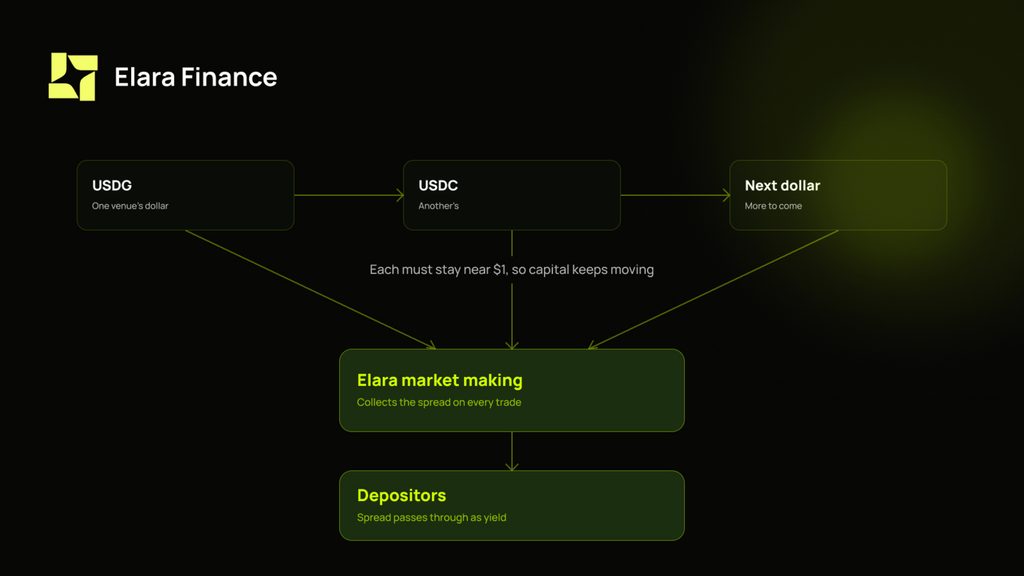
Each of those dollars is supposed to be worth $1. Keeping them there takes constant trading as capital moves between them, and every one of those trades pays a spread. That spread is where Elara’s yield comes from.
The exemption covers tokenized stocks on permissioned venues, and Elara trades neither. Still, the SEC gave firms that supply an onchain pool with their own capital a carve-out in federal securities law. That’s the same activity Elara runs on stablecoin pairs. It suggests US regulators see onchain market making as a function worth making room for.
Reachable From Where the Money Sits
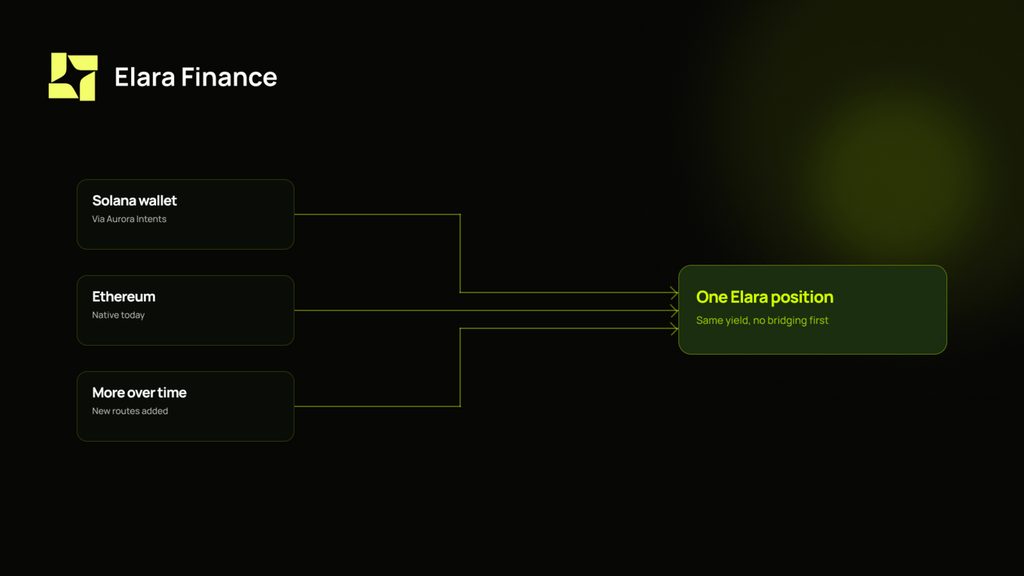
If the dollar layer keeps widening, Elara has to be reachable from more of it. Recently, elUSD went live on Solana through an Aurora Intents integration. A Solana wallet can now move into Elara’s yield without bridging to another chain or buying gas on a network it’s never used.
Elara’s staked token, sELUSD, has also started showing up on independent tracking platforms. Those are the sites people use to compare where to park capital. Together, the two moves show the asset getting picked up outside Elara’s own channels, on screens people already check.
A yield product scales when people can reach it from the wallets and chains they already use. Each new route adds holders who no longer have to move their capital first.
A Roadmap on Top of Cashflows
In the last piece, we deleted Elara’s roadmap to see what was left. The yield was still there. That’s what makes the roadmap worth reading now. As Evan put it in Have Fun Staying Poor, a roadmap on top of cashflows is a lot different than one on top of nothing.
Two items matter most for anyone putting treasury capital to work. First, more execution partners beyond Arken, so the strategy doesn’t depend on a single provider. Second, independent proof-of-reserves attestation as the pool grows. It sounds dull until the day it’s the only thing anyone asks about.
The team also plans new strategy types and deeper composability, so sELUSD can plug into more of DeFi. A CDP module that lets you borrow against a staked position is in development, but it’s further out, so treat it as a direction. Elara launched without a management fee and plans to move to a sustainable fee structure over time. Robinhood Chain is on the list too. The team wants to make markets there, including against USDG, though nothing is live yet.
Still Early, On Purpose
The roadmap says plainly that timing depends on outside conditions, regulation included, and on how ready the wider Brila network is at each step. Take that at face value.
The same goes for the tailwind at the top of this piece. The SEC’s relief is temporary. It expires after five years and is open for public comment. Treat it as a strong signal and keep the timeline honest. That’s the posture Elara has held since launch.
Elara sits inside Brila’s broader network, which is why the roadmap reaches as far as it does. Brila keeps building infrastructure around it.
Elara is early and says so. The yield is real, and now more people can reach it.