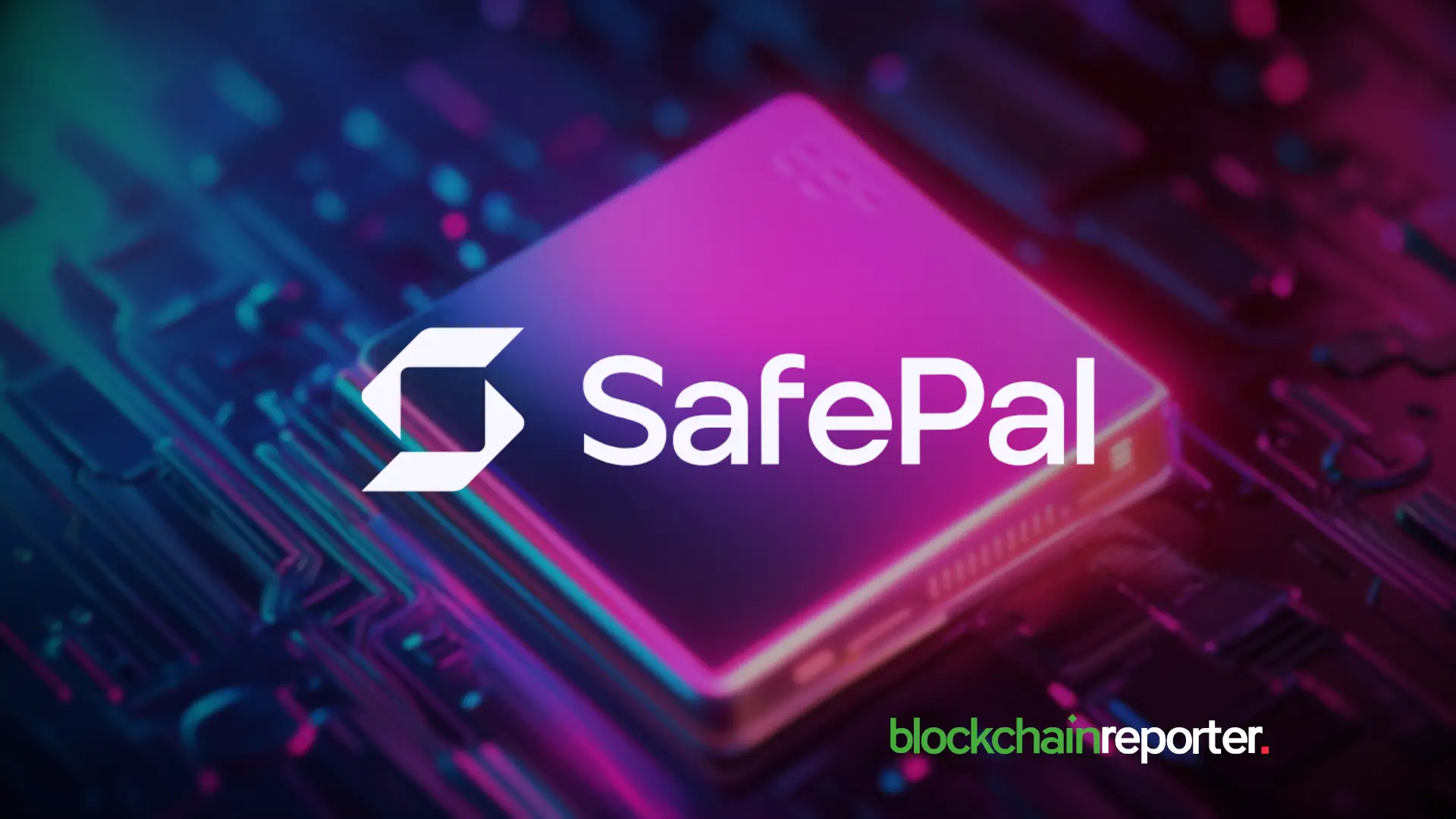


SafePal’s latest disclosure hits a less obvious layer of crypto infrastructure: the commerce systems around wallet sales rather than the custody layer itself. The wallet provider confirmed that order information tied to nearly 40,000 customers was exposed, according to the original report.
SafePal has not disclosed whether the records were held on its own systems or by a third-party fulfillment vendor. That detail will matter to customers because a logistics partner breach can be just as dangerous as a compromise of the wallet maker’s internal database.
What did not move is just as important. SafePal said private keys, seed phrases, and crypto assets were not compromised. That distinction defines the risk here: this is not a failure of the signing device or the wallet’s cryptographic design, but of the operational layer that handles purchases and customer data.
Order records can still create a real exposure. Names, shipping addresses, purchase history, and contact details are the kind of data that feeds targeted phishing, fake delivery notices, and social engineering attempts. An attacker does not need a seed phrase if they can convince a customer to enter it into a convincing lookalike interface built from leaked order context.
About the author
Kester is an experienced freelance content writer. His focus is primarily on blockchain technology and cryptocurrency. One might even refer to him as a "blockchain enthusiast." He has been following advancements in the crypto and blockchain area for several years, researching and writing his insights in the media. In addition to being a skilled content writer, Kester is also knowledgeable in SEO and digital marketing. He aspires to succeed as a content creator in the digital realm, dealing with customers in the finance and tech industries to generate traffic through engaging taglines and content. Kester enjoys traveling, reading, and playing cricket when he is not writing. He now works as a news and article writer for BlockchainReporter.