


The world of cryptocurrencies can be both exciting and scary, especially when it comes to storing these digital assets safely. If you have ever looked into bitcoin and ethereum, you have likely come across the term “crypto wallet.” But what exactly is it, and why is it essential?
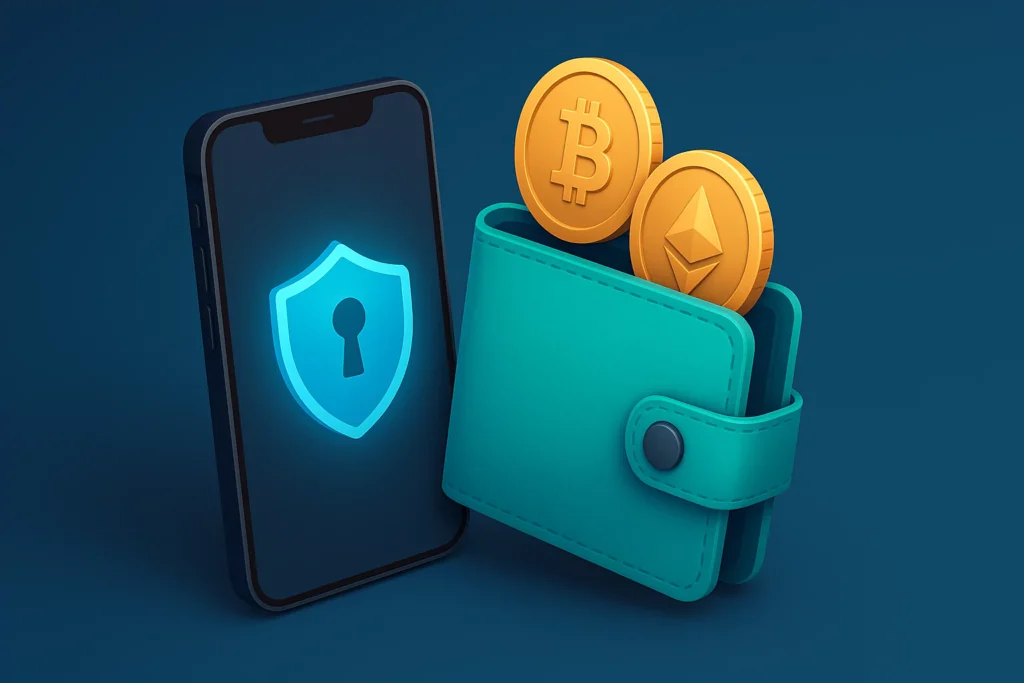
Understanding the basics of a crypto wallet
A crypto wallet is not a physical object like the leather wallet you might carry around. Instead, it is a digital tool for managing digital currencies. Wallets do not store your coins as such. They hold private keys, which are secret codes used to access funds on the blockchain. Without these keys, you cannot manage your crypto.
Think of a crypto wallet as an Internet banking app. It is the screen you use to work with your crypto accounts. It lets you view balances, make transactions and use web3 applications.
This self-custody tool puts you in full control of your digital assets and offers a safe and secure way to store them. Learning how to use a crypto wallet is a key step toward taking an active part in crypto.
Different types of crypto wallets
Crypto wallets are most often split into software and hardware wallets. Software wallets come in three kinds:
- Mobile wallets
- Desktop wallets
- Online wallets
Each option has its own strengths and a different level of security, so the right one depends on your needs.
Hardware wallets, such as those made by Ledger, offer unparalleled secure storage. They are a type of cold (offline) wallet. Unlike other cold wallets, they are physical devices that let you store your private keys offline, which makes them harder to hack.
With a strong reputation for reliability, Ledger’s hardware wallets have become a popular choice among crypto fans who put security first.
Software wallets: Convenience at your fingertips
If easy access matters most to you, a software wallet might suit you best. These wallets are apps you can download to a phone or computer. They let you buy, sell, and swap digital currencies with just a few taps. That makes managing crypto easy.
Mobile wallets give you the most portability, so they suit people who are always on the go. Desktop wallets offer more advanced options for people who prefer to manage their assets from a laptop or PC.
For example, some desktop wallets can connect to decentralized applications (dapps). This opens new doors to web3 markets.
Online wallets: Easy access but increased risk
Online wallets are very convenient. You can log in over the Internet from any device. But they carry higher security risks than other wallet types.
This is because online wallets store private keys on servers run by third parties. That adds extra weak points, such as the risk of those servers being hacked.
Even so, online wallets are still a popular choice for newcomers who want to try crypto without buying more advanced equipment. If you choose one, weigh easy access against the risk of exposure.
The role of private keys in crypto wallets
To fully understand why a crypto wallet matters, you need to know what private keys do. Private keys are secret codes that wallets create. They let you manage your crypto. Think of them as the password that gives you sole access to a digital fortune.
Without these keys, you cannot make transactions or prove ownership. So keeping them safe is vital. This idea sits at the heart of self-custody in the crypto community. A bank account is controlled by a bank, but with a crypto wallet, the responsibility rests with you alone.
Backing up and securing private keys
Backing up your private keys safely should be at the top of every crypto holder’s list. Many software wallets offer built-in tools to back up key files to the cloud, but be careful with this. Consider other options, such as carefully writing your seed phrase down on paper or using a security vault.
Whatever method you choose, remember this simple truth: if you lose access, you lose your holdings forever! Guard against device theft, damage, malware and other attacks that today’s cybercriminals keep trying.
Ledger: A leader in secure crypto storage
Cyber threats are everywhere today, so strong protection against unauthorized access is a pressing need. Enter Ledger, a genuine frontrunner that makes first-rate hardware wallets with premium levels of protection.
With Ledger, users can rest assured that their precious investments stay safe behind cutting-edge encryption technology. It’s all about complete peace of mind while exploring the opportunities that decentralized finance offers.
Ledger wallets appeal to seasoned investors and beginners alike. They support multiple currencies and work across a wide range of blockchains. Whether you use bitcoin, ethereum or other altcoins, these versatile non-custodial wallets keep things running smoothly as the digital world changes.
Fostering trust with innovative technology
Ledger hardware wallets use advanced Secure Element (SE) chips, like those in passports and credit cards, which greatly boost security. They also keep transactions isolated. Transactions are handled inside the device rather than through outside connections that could be breached.
This drive to keep innovating shapes how the products evolve. It helps them stay ready for future challenges as blockchain technology develops quickly and new threats appear around the world.
The importance of choosing the right crypto wallet
The right crypto wallet depends mostly on your personal preferences. Weigh the level of security you want against how easy the wallet is to use, and consider the cost of keeping it practical over time. Balancing these trade-offs well will help you stay satisfied in the long run.
- Hardware wallets provide enhanced security by storing private keys offline.
- Software wallets offer convenience through mobile and desktop applications.
- Private keys enable transaction execution and proof of ownership.
- Backing up keys is vital to prevent loss of access to cryptocurrencies.
- Ledger wallets deliver high-level protection using state-of-the-art technology.
This is a press release / sponsored content. Read our Sponsored Content Policy. This article is not intended as financial advice. Educational purposes only.