


- 1. Historical Evolution of MLM
- 2. The MLM Business Model Explained
- 3. Advantages of MLM for Companies and Distributors
- 4. Criticisms and Risks: Pyramid Scheme Concerns
- 5. Regulatory Landscape and Consumer Protection
- 6. The Convergence of MLM Companies and Crypto
- 7. Legitimate Crypto Referral Programs vs. MLM
- 8. Red Flags and Due Diligence
- 9. Conclusion
Multilevel marketing (MLM) is a business model where people earn money in two ways. They sell products or services directly. They also earn by recruiting new members into the company. These people are often called distributors or representatives.
This structure of multi level marketing companies creates several layers of commissions. Members get paid on the sales of the people they recruit. They also get paid on the sales of their recruits’ recruits, and so on.
MLM companies such as Avon and Amway have been around for decades. They have also found new life in the digital age, including the fast-growing world of cryptocurrencies. As blockchain technology reshapes industries, crypto traders and others need to understand how MLM structures show up in crypto projects. Our guide to what blockchain is covers the basics.
Historical Evolution of MLM
MLM dates back to the 1930s. But it was in the 1950s and 1960s that companies like Avon and Tupperware made the “party plan” and direct selling popular. These pioneers set the template:
- Low startup costs
- Selling through personal networks
- Rewards for recruiting new members
Over time, pay plans grew more complex. Companies such as Herbalife and Mary Kay showed both the potential for fast growth and the controversy around earnings that depend on recruiting.
Today’s MLM world mixes door-to-door and in-home sales with social media, livestreams and online stores. This allows rapid growth, but it also draws more attention from regulators.
The MLM Business Model Explained
At its core, an MLM pay plan has two main income streams:
- Retail commissions: profit from selling products directly to customers
- Override commissions: a share of the sales made by the people you recruit, known as your “downline”
Distributors usually buy stock at wholesale prices and sell it at retail prices, keeping the difference. At the same time, they recruit others and earn a cut of those recruits’ sales. This can stretch across many levels, or “generations.”
Common plan types include binary, matrix and unilevel systems. Each has its own rules for how many recruits you can have per level, how deep commissions go and what you must do to earn bonuses.
Top distributors with large networks can earn a lot. But complex pay plans often hide how income is really shared among members.
Advantages of MLM for Companies and Distributors
MLM companies enjoy several attractive features:
- Low Marketing Costs: Companies rely on independent distributors for sales and recruiting, so they spend less on traditional advertising.
- Rapid Market Penetration: Networks can grow very quickly when distributors actively recruit.
- Entrepreneurial Appeal: For members, MLM looks like an easy way to start a business, with low startup costs and flexible hours.
- Community and Training: Many MLM companies offer training, events and online groups that give members a sense of support.
These factors explain why MLM is still a popular business model, even though critics point to the serious drawbacks of multi level marketing companies.
Criticisms and Risks: Pyramid Scheme Concerns
A major criticism of MLM is how closely it can resemble illegal pyramid schemes. A pyramid scheme makes money mainly from recruitment fees, not from real product sales. Early members profit at the expense of later recruits, so the structure cannot last.
Research indicates that MLM results are poor for most people:
| Outcome | Share of MLM participants |
|---|---|
| Turn a profit | About 25% |
| Break even | About 27% |
| Lose money | About 50% |
A Tennessee Law Review study also reveals that false promises are common in MLM sales pitches. Most recruits quit quickly after seeing little or no return.
These numbers show why you should study a company’s pay plan, inventory buyback policy and real income data before joining any MLM. An inventory buyback policy means the company will buy back unsold products if you quit.
Regulatory Landscape and Consumer Protection
Regulators around the world watch MLM companies closely. Their goal is to protect consumers from false earnings claims and pyramid-like structures.
In the United States, the Federal Trade Commission (FTC) gives non-binding guidance to MLM businesses. It stresses three points:
- Clear and honest income disclosures
- Inventory buyback options
- A focus on real retail sales
In January 2025, the FTC proposed new rules to stop deceptive earnings claims. The proposals called for clearer disclosures and tighter oversight of pay plans.
Similar rules exist in the European Union and in countries like Australia. There, regulators require cooling-off periods, which let buyers cancel within a set time. They also limit how much stock members must buy, to curb abuse.
The Convergence of MLM Companies and Crypto
Blockchain is decentralized and works across borders. This has attracted multi level marketing companies and entrepreneurs looking for new ways to make money. Sadly, it has also led to some of the biggest crypto MLM scams.
- OneCoin: Founded in 2014, OneCoin masqueraded as a revolutionary cryptocurrency. In reality, it had no working blockchain. It defrauded investors of more than $4 billion in a classic Ponzi scheme.
- BitConnect: BitConnect promised huge returns through a lending program combined with referral bonuses. It collapsed in 2018 and left many investors with worthless tokens.
These cases show how MLM-style rewards can be abused in crypto. Scammers use the hype around digital assets to lure people into fraud. Our guide on how to know if a crypto company is a scam lists more warning signs.
Legitimate Crypto Referral Programs vs. MLM
Not every crypto project uses harmful MLM tactics. Many reputable platforms run simple affiliate or referral programs. They reward users for bringing in new customers, without the many layers of an MLM. For example:
- BitDegree: Offers tiered referral bonuses based on new users’ course purchases, with clear terms and no recruiting targets.

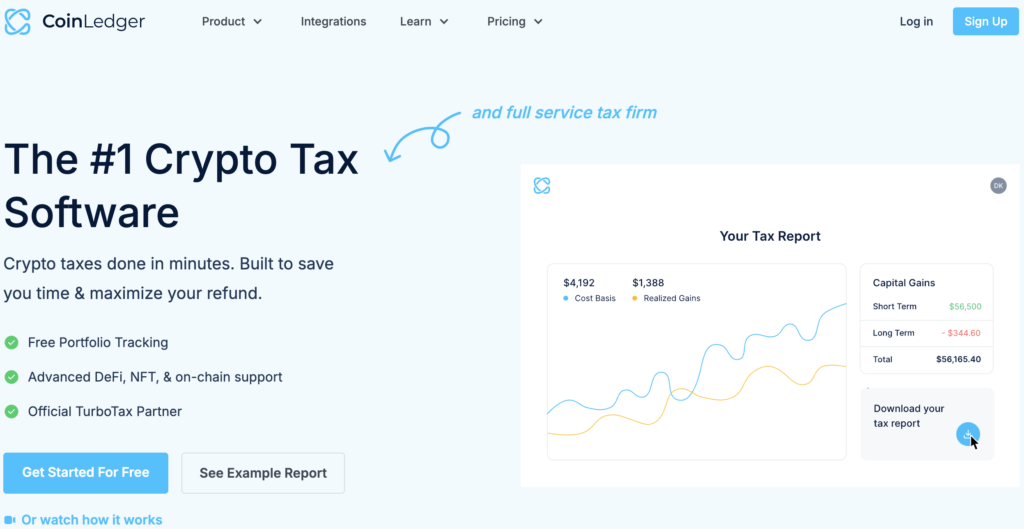
- CoinLedger: Pays a flat commission for each new sign-up, limited to a single level. This keeps things clear and limits abuse.
These programs focus on real user growth and product use, so they avoid the traps of pyramid-style rewards. When you review a crypto referral offer, look for:
- A clear commission structure
- No required purchases
- A public record of payouts
Red Flags and Due Diligence
Before you join any MLM or crypto referral scheme, do your homework:
- Examine the Product: Make sure the company sells a real, in-demand product or service with proven retail sales.
- Analyze Compensation Plans: Avoid plans that reward recruiting more than sales, have unclear rules or require large stock purchases.
- Check Regulatory Filings: Look for actions by the FTC or local regulators, investor warnings or lawsuits against the company.
- Assess Leadership Transparency: Research the founders and leaders for a credible track record and public disclosures.
- Seek Independent Reviews: Read unbiased reviews and watchdog reports, and check income claims against third-party audits.
Following these steps can help you tell a sustainable network marketing business from a predatory pyramid scheme.
Conclusion
Multilevel marketing is still an appealing but controversial business model. It offers a chance to run your own business, but it also carries big risks of losing money and facing regulators.
In crypto, MLM structures can power legitimate referral programs. They can also enable dangerous fraud.
Blockchain is reshaping finance, but crypto traders must understand how MLM works. Always do careful research before joining any network-based opportunity. By understanding the mechanics, the rules and the red flags, investors and would-be entrepreneurs can approach MLM, and its crypto offshoots, with more confidence and safety.
Frequently Asked Questions
What is multi-level marketing (MLM)?
MLM is a business model where participants earn commissions through product sales and by recruiting others into the organization. Commissions are paid on multiple levels of downline sales, creating a tiered structure.
How does MLM differ from a pyramid scheme?
Legitimate MLMs focus on retail sales, while pyramid schemes rely primarily on recruitment fees and often lack real products. Pyramid schemes are unsustainable and illegal in many jurisdictions.
Why do MLM models appear in crypto?
The crypto space’s decentralized and global nature makes it an attractive target for MLM-style ventures, especially those promising high returns or using referral-based incentives. However, many of these turn out to be scams, such as OneCoin and BitConnect.
Are there safe crypto referral programs?
Yes, legitimate crypto projects like BitDegree or CoinLedger offer simple referral rewards without multi-tiered or recruitment-heavy structures. They focus on product engagement rather than aggressive expansion.
How can I identify a risky MLM or crypto scheme?
Red flags include unclear compensation plans, emphasis on recruitment over sales, lack of product value, unverified leadership, and absence of regulatory compliance. Always research independently before investing or joining.