

Hardware wallet maker Trezor is cutting its authorized reseller network after the supply-chain implant scare at rival Ledger, and the change will unfold in phases between now and January 2027. In an official post on X at 13:32 UTC on October 13, Trezor said it will “reduce the number of resellers so we can more effectively check those we work with.”
The company was firm that its own devices have not been affected. “Let us be very clear: there is not a single piece of evidence that Trezor devices have been compromised,” Trezor wrote, describing the decision as “a preventive step, taken out of an abundance of caution.”
What the reseller cut changes
Chief Commercial Officer Danny Sanders shared the letter sent to departing partners. Affected resellers stop receiving new stock immediately, may sell the inventory they already hold through the holiday season, and their authorization ends on January 1, 2027.
| Phase | What happens | What buyers should do |
|---|---|---|
| Immediately (October 13) | No new stock ships to affected resellers | Verify any seller against Trezor’s current authorized-reseller directory |
| Holiday season (through 2026) | Affected resellers may sell remaining inventory, including Black Friday and holiday sales | Confirm the reseller is still on the directory at purchase time and keep the receipt |
| January 1, 2027 | Authorization ends; affected resellers are removed from Trezor’s authorized list | Buy only from Trezor’s official shop, its Amazon storefronts, or a reseller still on the directory |
Trezor has not said how many resellers are being dropped or which markets are affected. Sanders wrote that the decision is “not a verdict on your business or on the safety of the devices you sell” but a question of how many partners Trezor can check closely. Partners that remain face an updated legal framework and tighter rules on how devices are sourced, stored and handled.
Buyer checklist
- Verify the seller against Trezor’s current authorized-reseller directory.
- Prefer official Trezor channels — the e-shop and official Amazon storefronts — over third-party listings.
- Reject any device that arrives pre-initialized or with a supplied recovery phrase.
- Initialize the device yourself through the official Trezor Suite application.
- Retain the receipt and seller information for each purchase.
- Contact Trezor support if the packaging or device state looks suspicious.
- Do not infer compromise solely from a reseller’s later removal from the program.
See Trezor’s “Where to buy a genuine Trezor” support page for the official purchase and reseller guidance.
What remains unknown
- The number of resellers being removed.
- Which countries and markets are affected.
- The identity of all departing resellers.
- The updated requirements for partners that remain.
- Whether Trezor will introduce additional packaging or authenticity controls.
Why resellers became the weak point
The announcement follows Ledger’s confirmation that wallets sold by Southeast Asian reseller CryptoBilis carried an unauthorized implant that read users’ 24-word recovery phrases. Ledger’s official statement said it had no indication its own systems were compromised. Public estimates ranged from more than $86 million to roughly $93 million at publication, while Ledger had not confirmed a total.
A supply-chain attack targets the journey between factory and customer. Instead of breaking the device’s cryptography, an attacker tampers with the hardware itself, which makes the reseller channel a security surface that manufacturers must now police more closely. Trezor dropped CryptoBilis from its own reseller list on October 12 as a precaution.
What buyers should watch
For existing owners, nothing has changed on the hardware side: there is no confirmed compromise and no reports of tampered Trezor devices. Trezor did not announce new hardware-level, packaging or authenticity measures as part of this reseller-network decision. Removal from the program is not itself proof that a reseller’s inventory was tampered with.
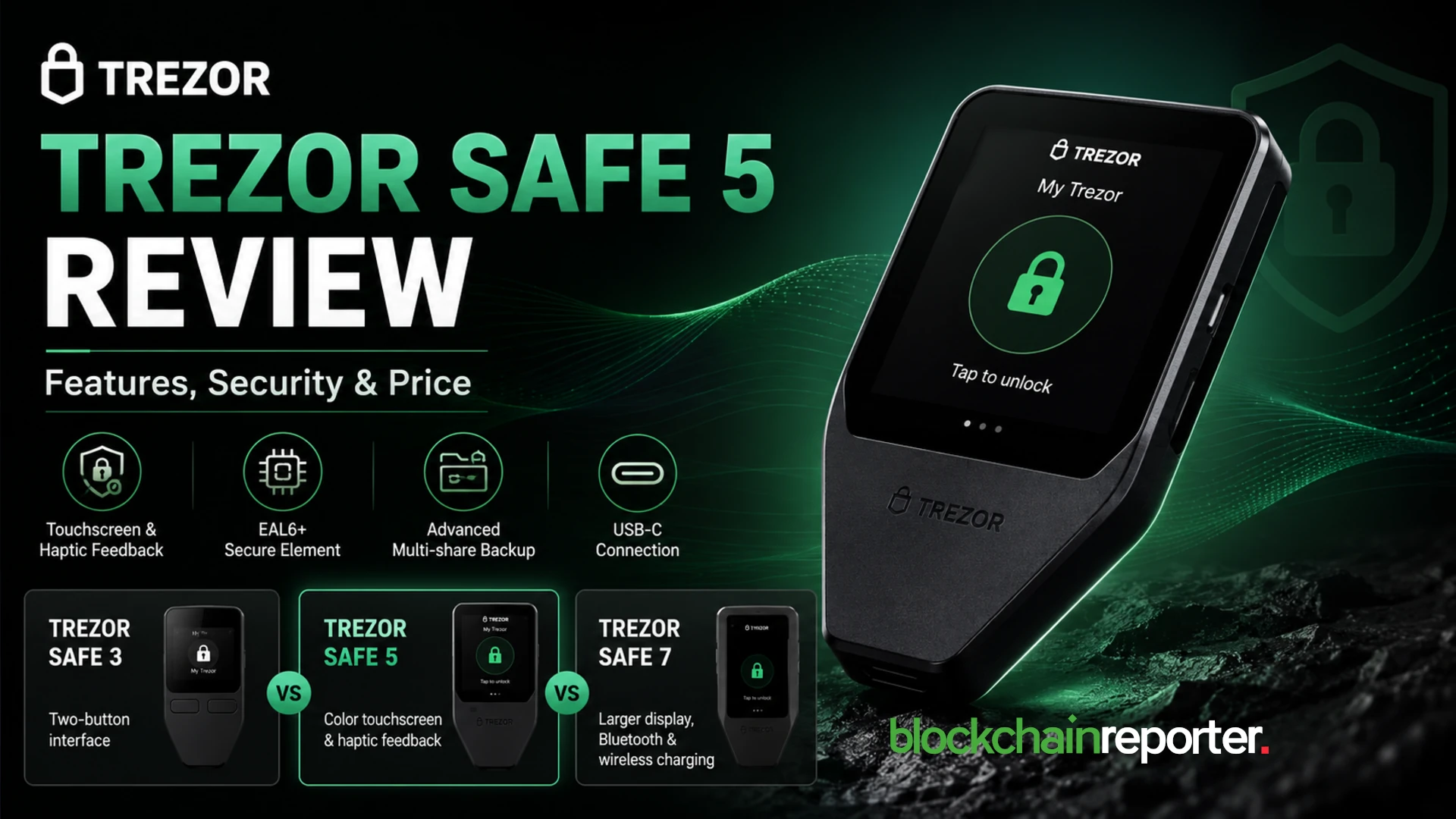
The practical effect for prospective buyers is a narrower set of authorized channels. For guidance on choosing and securing a device, see BlockchainReporter’s cold storage guide and Trezor Safe 5 review, or browse the crypto wallets hub.